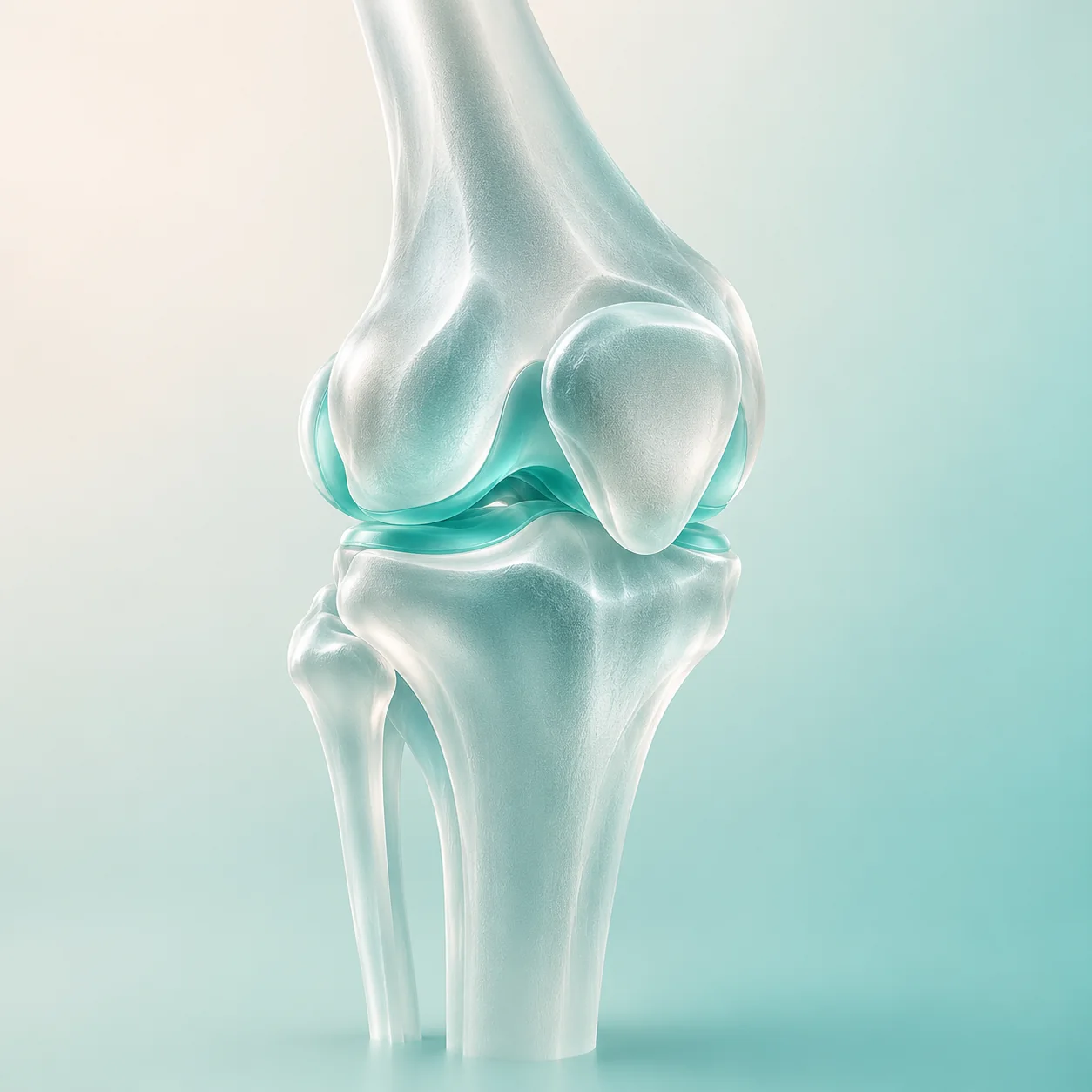
When pain interrupts an ordinary afternoon, our first impulse is entirely human: make it stop as quickly as possible so we can get back to work, family, and sleep. Yet across roughly thirty-five years of examining patients and teaching surgery in medical colleges, I have learned to respect pain before trying to quiet it. Pain is not merely an enemy; it is the body's oldest protective voice, asking us to pay attention.
Imagine disconnecting a smoke alarm because its ringing bothers you, without walking into the kitchen to check the stove. Sometimes the cause is minor, such as tired muscles after weekend gardening or a stiff neck after an awkward nap. At other times, that signal warns of an irritated nerve, an inflamed joint, or an internal condition that needs timely medical attention.
How to Describe Pain Clearly to Your Doctor
In medical school, I always tell young doctors that listening carefully to a patient's story provides the majority of the diagnosis before a single X-ray or blood test is ordered. Yet many patients feel rushed in clinic and say only that everything hurts. Observing six specific details beforehand turns a vague complaint into a clear clinical map:
- Site: Where exactly do you feel the pain? If you can point to one spot with a single fingertip, tell your doctor; if it spreads across a wider region, show the outline. Deep groin ache, outer hip tenderness, and lower buttock pain sit close together yet arise from very different structures.
- Onset: How did it begin? Pain that starts in an instant while lifting a box or stepping off a curb points toward a sudden mechanical strain or tear, whereas pain that creeps in slowly over months suggests gradual wear, posture strain, or inflammation.
- Character: What does the sensation feel like in plain words? A dull, deep ache often comes from bone, muscle, or worn cartilage; sharp catching pain suggests mechanical pinching; throbbing points toward active swelling; and burning, electric shocks, or pins and needles strongly suggest nerve irritation.
- Radiation: Does the pain stay home, or does it travel along a path? Lower back pain that shoots down the back of the thigh into the calf or foot tells a very different story from soreness confined across the beltline.
- Timing: Notice its daily rhythm. Does stiffness last ten minutes on waking and return after a busy afternoon, or does it linger past an hour every morning? Is the pain intermittent, constant, or consistently waking you from deep sleep at night?
- Aggravating and relieving factors: What worsens the pain, and what eases it? Note whether climbing stairs, coughing, leaning backward, walking two blocks, sitting down, applying gentle warmth, or changing posture alters the symptom.
Alongside these six clues, share how the pain affects daily life, such as whether it stops you from buttoning a shirt, climbing stairs, praying comfortably, sleeping, or focusing at work. Jotting a few brief lines on paper before your visit helps you recall key details once the appointment begins.
The Mystery of Referred Pain: Why the Sore Spot Can Mislead You
One of the body's most fascinating quirks is referred pain, when discomfort is felt in a healthy area some distance away from the true source. Sensory nerves from joints, muscles, and deeper organs converge onto shared pathways as they enter the spinal cord, so the brain occasionally misreads the exact address of an incoming distress signal.
In orthopedic practice, I see this almost daily. A patient may point firmly to the front of a normal-looking knee while the real culprit is osteoarthritis up in the hip joint, which shares nerve branches along the thigh. An irritated nerve in the neck can masquerade as a stubborn knot behind the shoulder blade or an ache in the forearm with barely any neck pain at all. Similarly, a pinched nerve in the lower spine may show up chiefly as calf cramping or tingling toes. Beyond bones and joints, heart trouble can be felt in the jaw, neck, or left arm; gallbladder irritation beneath the diaphragm can ache at the tip of the right shoulder; and kidney stones can mimic a sudden back strain. That is why a thorough doctor often examines your hip when your knee hurts, or checks your neck when your arm aches.
Listening Without Panic or Denial
Wise self-care sits between two extremes: neither fearing every harmless muscle twinge nor repeatedly muting persistent pain without asking what caused it.
Mild, symmetrical muscle soreness a day after unaccustomed brisk walking or household work is usually normal tissue adaptation and settles within forty-eight hours of sensible pacing and light movement. By contrast, pain that keeps returning in the exact same pattern, forces you to limp, or slowly narrows your daily activities is asking for an adjustment in mechanics or a proper medical examination rather than heroic endurance.
Because so many patients and families in my clinics asked for a calm, plain-language companion to make sense of everyday aches before jumping to conclusions, I brought these lessons together in my book Body Pain and Pain Relief, exploring how different body regions signal distress and how conservative care supports recovery.
When to See a Doctor: Red-Flag Symptoms
While mild, familiar muscular aches often settle with brief rest from heavy strain and gradual movement, certain red-flag symptoms call for prompt medical evaluation, or immediate emergency care when sudden and severe:
- Chest pressure, tightness, or pain spreading to the arm, shoulder, neck, jaw, or upper back, especially with shortness of breath, dizziness, or sweating
- Sudden severe headache, confusion, trouble speaking, or new weakness, numbness, or clumsiness in the face, arm, hand, or leg
- Back or neck pain paired with new bladder or bowel difficulty, or numbness in the groin or saddle region
- Pain accompanied by unexplained fever, chills, drenching night sweats, unintentional weight loss, or a past history of cancer
- A joint that rapidly becomes hot, red, swollen, and intensely painful to move
- Severe pain, visible deformity, or inability to bear weight following a fall or injury, or deep pain that steadily worsens at rest and disrupts sleep
Paying calm, observant attention to what your body tells you does not turn you into a worrier. It makes you an informed partner in protecting your own health for years to come.
This article is intended for general educational purposes only and does not replace personal medical advice, diagnosis, or treatment from a qualified healthcare professional.
This article is for general education only and is not a substitute for professional medical advice, diagnosis or treatment. Please consult a qualified physician about your own situation.